Understanding Luck in Casino Gambling
Luck is often regarded as a pivotal element in the realm of casino gambling. In many games, particularly those based on chance, outcomes are predominantly driven by randomizing factors. For example, in slot machines, players rely exclusively on the random number generator that decides their winnings. This reliance on luck creates a dynamic where players can find themselves winning substantial amounts without necessarily employing strategy or skill. Many enthusiasts also explore new betting sites that offer unique gaming experiences, as a single pull of the lever can yield significant rewards, which underscores the unpredictable nature of luck in this arena.
Moreover, the concept of luck is not merely a passive experience for players; it heavily influences their psychological state. Gamblers often believe in superstitions or rituals that they think might sway fortune in their favor, such as wearing lucky clothing or following specific betting patterns. This psychological reliance on luck can lead to a cycle of hope and disappointment, as players chase wins with the belief that luck is an influential force in their gameplay. Ultimately, recognizing and accepting the role of luck can be both liberating and limiting.
However, luck is not solely random; it operates within the confines of probability. Understanding the odds of a game can enhance how players perceive luck. For instance, while rolling a die in a game of craps is entirely luck-based, the probability of landing on a particular number can be analyzed. This knowledge reinforces the idea that while luck plays a critical role, a deeper understanding of the mechanics can influence a player’s approach, leading to more informed decisions even in otherwise luck-dependent circumstances.
The Importance of Skill in Casino Gambling
While luck can dictate short-term outcomes, skill plays a crucial role in long-term success in certain casino games. Games like poker and blackjack are prime examples where a player’s skills can significantly influence the outcome. In poker, players must understand tactics, read opponents, and remain calm under pressure. These elements require experience and cognitive skills that go beyond mere luck. Mastery of strategy can often offset the randomness of luck, allowing skilled players to capitalize on their opponents’ mistakes.
Skill-based games also involve a greater understanding of probabilities and risk management. In blackjack, for example, a skilled player will know when to hit or stand based on the cards that have been dealt and the dealer’s visible card. This knowledge allows these players to make strategic decisions that increase their chances of winning. By leveraging their skills, they can mitigate the effects of bad luck and create their own opportunities for success.
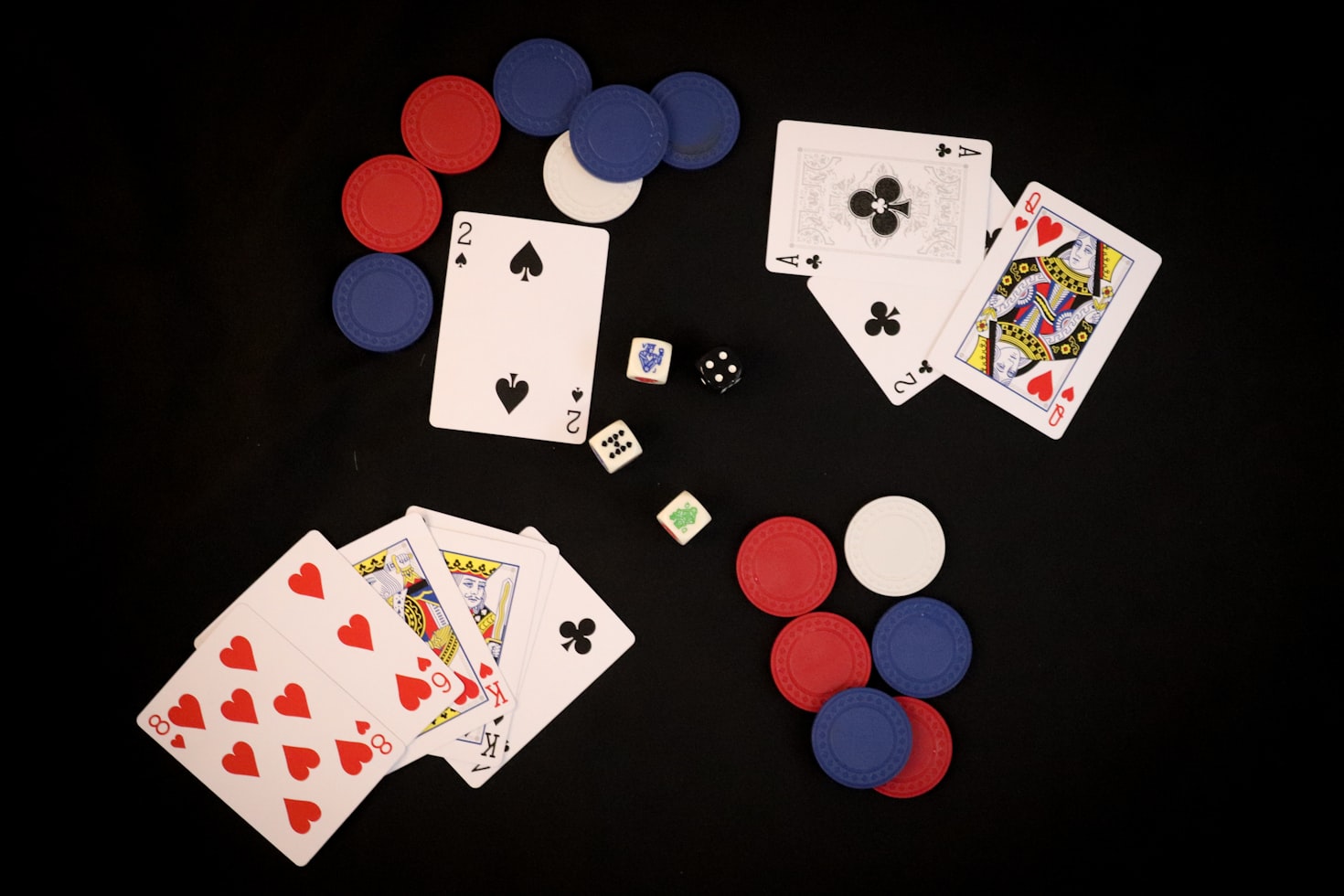
Moreover, the longevity of skill in casino games fosters a different relationship with risk and reward. Skilled players are more inclined to take calculated risks, which can lead to more sustainable gameplay over time. Instead of chasing immediate rewards based on luck, they focus on making educated decisions that reflect their understanding of the game. This approach not only enhances their chances of winning but also contributes to a more enjoyable and engaging gambling experience, where skill becomes a vital partner to the unpredictable nature of luck.
The Balance Between Luck and Skill
The interplay between luck and skill forms the foundation of casino gambling. Players often contend with the dual realities of what they can control and what is left to chance. In many games, while luck may determine immediate outcomes, skill can dictate overall strategies and long-term results. Recognizing that both factors play a role invites players to engage with the games they choose in a more holistic manner. This balance can help them manage expectations and strategically approach their gambling experiences.
Additionally, recognizing the significance of both factors can lead to a more measured approach when it comes to bankroll management. Players might be more inclined to set limits based on their understanding of the luck-based components of their chosen games. For example, in a game like roulette, where outcomes are heavily luck-driven, players may decide to limit their stakes to mitigate the unpredictability of luck. On the other hand, in skill-dominant games, they may choose to invest more, confident that their expertise will guide their success.
This dynamic cooperation between luck and skill reiterates the nuances of gambling. While a player might experience a streak of luck, it is their skill that may ultimately help them maintain or enhance their winnings. In this light, the relationship between luck and skill isn’t strictly adversarial; rather, it’s a cooperative dance that defines a player’s experience in the casino landscape. Understanding how to navigate this relationship can lead to a more fulfilling and responsible gambling experience.
The Psychological Impact of Luck and Skill
The psychological dimensions of luck and skill in casino gambling present an interesting area for exploration. Gamblers often experience a roller coaster of emotions, dictated by the outcomes of their games. For instance, winning due to luck can create a euphoric high that players might chase, leading to continued play even when the outcome may not be favorable. This chase for more luck can cloud judgment, sometimes resulting in irrational gambling behavior, like increasing bets after a loss in hopes of recapturing that lucky streak.
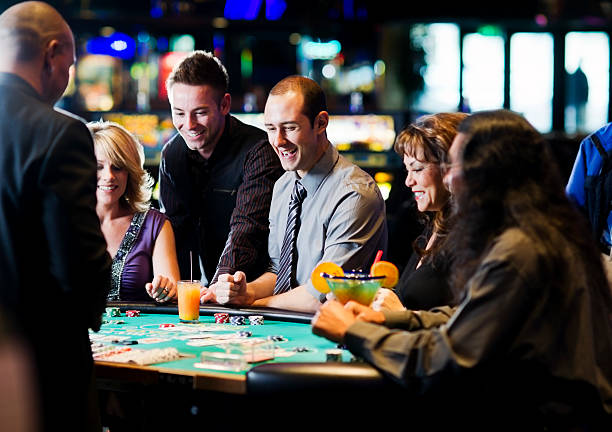
Conversely, skill-based outcomes tend to foster a sense of accomplishment and control. When players win through calculated strategy, the satisfaction is often deeper. They associate their wins with their understanding of the game rather than sheer chance. This psychological reinforcement can lead to a more responsible gambling mindset, where players are more likely to responsibly manage their gambling habits, knowing their skill can influence outcomes.
The duality of emotions tied to luck and skill also affects player decisions to engage in various games. Some may gravitate toward games of chance for the thrill and excitement, while others may prefer games that allow them to apply their skills. This choice reflects a personal balance of risk tolerance and gameplay enjoyment. Understanding these psychological factors is essential for players looking to enhance their casino experiences while maintaining healthy gambling habits.
Where to Learn More About Gambling Strategies and Insights
For those eager to delve deeper into the intricacies of casino games and the balance between luck and skill, a wealth of resources is available online. Many platforms and websites provide valuable insights into various game strategies, tips on managing luck, and techniques for developing skills. This information can be instrumental for players seeking to improve their performance, paving the way for a more rewarding gambling experience.
In addition to strategies, educational content can also address responsible gambling practices, which are crucial for maintaining a healthy relationship with casino games. Understanding the psychological and emotional factors at play can empower players to make informed choices. Engaging with materials that highlight both luck-centric and skill-centric games will broaden a player’s perspective, ensuring they can navigate the casino landscape with confidence.
Ultimately, as players seek to balance luck and skill in their gambling endeavors, having access to informative resources will enhance their experiences. By educating themselves on gameplay strategies, psychological aspects, and responsible gambling, they can develop a well-rounded understanding of what it takes to succeed in the exciting world of casino gambling.