Understanding the psychology behind gambling behavior and its implications
The Nature of Gambling Addiction
Gambling addiction is a complex psychological issue that often stems from a combination of emotional and environmental factors. Many individuals are drawn to gambling as a means of escape from stress or personal problems, seeking thrill and excitement in uncertain outcomes. This attraction to risk can lead to repetitive behavior, where the gambler seeks the euphoric rush that accompanies winning, often overshadowing the potential for significant losses. For an engaging experience, players often visit casinoextreme-au.com, which offers a wealth of gaming options to explore.
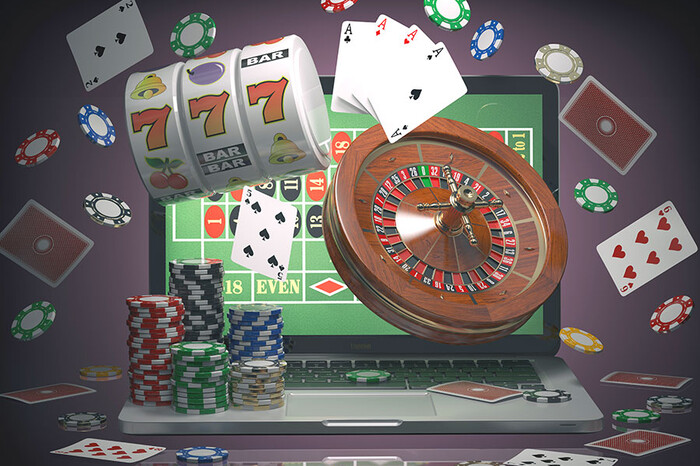
The psychology behind gambling addiction can also be linked to brain chemistry. The release of neurotransmitters like dopamine during a win can reinforce the behavior, creating a cycle where individuals feel compelled to gamble again to recreate that high. Understanding these mechanisms is crucial for developing effective interventions and support systems for those struggling with gambling addiction.
Cognitive Biases in Gambling
Cognitive biases significantly influence gambling behavior, often leading individuals to make irrational decisions. One prevalent bias is the illusion of control, where gamblers believe they can influence the outcome of games, especially in games of chance. This misconception fuels ongoing gambling, as players feel empowered to win despite evidence to the contrary. Recognizing advanced techniques in managing these thought patterns can ultimately benefit players.
Another common cognitive distortion is the gambler’s fallacy, which leads individuals to assume that past outcomes affect future results. For instance, a player might think that a slot machine is «due» for a win after a series of losses. These biases create a false sense of strategy, often resulting in increased betting and deeper financial consequences.
The Role of Environment and Social Influence
The environment plays a pivotal role in shaping gambling behavior. Social settings, such as casinos or online platforms, can enhance the thrill of gambling, making it a social activity that encourages participation among peers. The presence of friends or family who gamble can normalize the behavior, making it more likely for individuals to engage in risky betting practices.
Additionally, marketing tactics employed by gambling establishments often exploit psychological triggers to attract players. Promotions, bonuses, and rewards create a sense of urgency and excitement, further enticing individuals to gamble. Understanding these environmental influences is essential for creating awareness about responsible gambling practices.
The Emotional Impact of Gambling
The emotional toll of gambling can be profound, affecting not just the individual but their relationships and community as well. Many gamblers experience feelings of shame, guilt, or anxiety after losing, which can lead to a vicious cycle of more gambling in an attempt to recoup losses. This emotional strain can contribute to mental health issues, including depression and increased stress levels.
Moreover, the impact of gambling extends beyond the individual, often straining familial relationships and leading to financial difficulties. Those affected by a loved one’s gambling addiction may experience emotional distress and insecurity, creating a ripple effect within families and communities.

Discover Casino Extreme
Casino Extreme offers a thrilling gambling experience tailored for Australian players, combining excitement with advanced gaming options. With a vast array of over 7,000 licensed games, the platform provides an engaging environment where users can explore their gambling preferences responsibly. The secure and user-friendly interface enhances the gaming experience, ensuring that both casual and experienced players feel at ease.
In addition to a generous welcome package and rapid payouts, Casino Extreme prioritizes player safety and responsible gaming practices. The platform aims to cultivate a community where enjoyment does not come at the expense of well-being, acknowledging the importance of understanding gambling behavior in enhancing the overall gaming experience.
Deja una respuesta